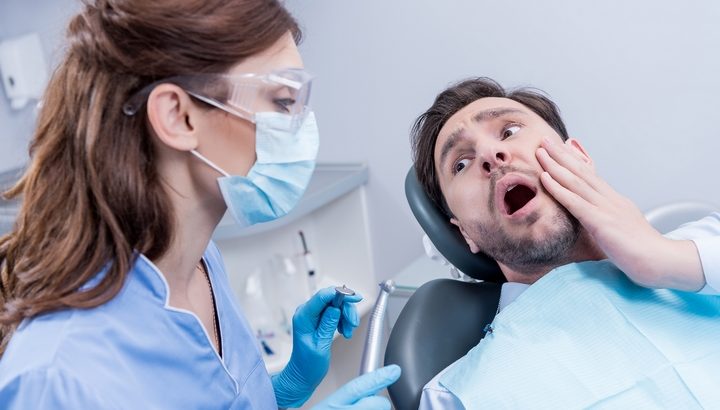
Dental hygiene has become a very important aspect of every person’s life. The importance of routine dental check-ups will help in preventing many negative health issues like tooth decay, oral diseases, mouth-related hygiene issues, etc. People living in this modern world are eating varieties of food ranging from junk foods, sugary foods, and also organic foods. By making sure that your teeth and mouth are kept healthy, routine dental check-ups are very important dental care Kesteven.
What are the 4 main reasons why routine dental check-ups are important?
- Prevention of gum diseases.
During the early stages of gum diseases, it is not very easy to detect these diseases. A person with initial stages of gum diseases may not be able to know he has such diseases, thereby administering treatment early. If any person keeps on having routine dental check-ups, this will help the person to prevent the diseases before the diseases spread and become fatal.
- Detection of other health issues.
Routine dental check-ups also involve checking on other body organs apart from the teeth and the gums. The check-ups will involves checking on the neck and head examination. This will involve n checking on the swelling of the jaws and the neck, lymph nodes, lumps, and other crucial body parts. If other diseases are detected from these other body parts then the dentist will refer this person to other medical practitioners for early treatment.
- Prevent tartar, plaque, tooth decay, and cavities.
A lot of people always clean their teeth on daily basis. There are places in our mouth that are very hard to clean by using a normal toothbrush e.g. back of the molars. It is therefore very important to do routine dental check-ups so that these areas can be cleaned by the dentist. Routine dental check-ups are recommended after every 6 months. This will also help the dentist to detect the early stages of tooth decay.
- Routine dental check-ups will help in checking for oral cancer.
A dentist can check on signs of oral cancer during dental check-ups. If this oral cancer is detected early, early treatment will be administered to the person and this can help in saving a person’s life
What is done during dental check-ups?
The procedures for dental check-ups involve:
- Examination of a person’s general oral and health hygiene.
- Extractions of deposits and stains on a person’s teeth.
- Determining if a person needs a tooth replacement or restoration.
- The risk of decaying tooth, bone, and gums diseases is evaluated.
- Dental X-rays and other diagnostic procedures are administered.
- Fluorides needs are assessed.
- Problems on jaws and gums are checked.
- The dentist can do a thorough demonstration of tooth-cleaning to the patient. This will help the person in proper cleaning of the teeth.
In conclusion, routine dental check-ups are very important to every person. This will not only help you to prevent tooth diseases but will also help a person to keep a person’s teeth strong and clean. Bad-mouth smell can be avoided if a person can do dental check-ups regularly.…