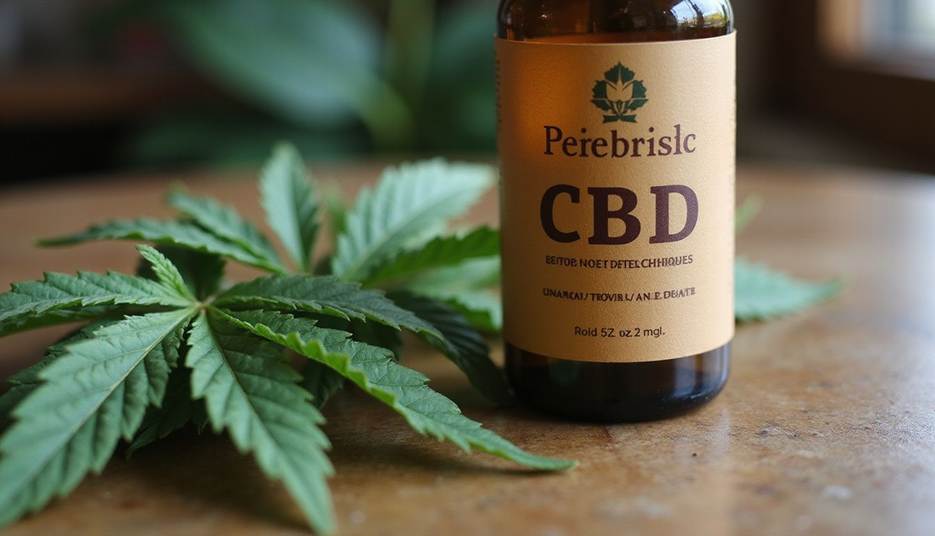
Do you often feel confused by CBD product labels and wonder what determines CBD potency? Product strength depends on the concentration of cannabinoids like Elyxr LA products CBD and THC in each dose.
Key Takeaways
- CBD potency depends on the concentration of cannabinoids like CBD and THC, measured in milligrams per milliliter (mg/mL). Higher mg/mL means a stronger product.
- Reading product labels carefully is important. Look at the amount of CBD and THC per serving, check for third-party test results, and note terms like “full-spectrum” or “isolate.”
- Potency is not only about how much CBD is present. The cannabinoid profile, including other compounds and terpenes, can change the effects.
- Dosage should be adjusted for each person. Factors such as body weight, tolerance levels, and desired outcome affect how much you need.
- Misconceptions are common; higher strength does not always mean better results. Always calculate dosage using label information to avoid mistakes.
What Determines CBD Potency?
CBD potency depends on several key factors. The concentration of active compounds, including THC and CBD, plays a major role in how effective the product will be.
Milligrams per milliliter (mg/mL)
Milligrams per milliliter (mg/mL) is a key measurement for CBD potency. This number tells you how much CBD is present in each milliliter of the product. Higher mg/mL means stronger effects and more concentrated cannabinoids. A product with 1000 mg/mL will have significantly more potency than one with 250 mg/mL.
Understanding this concentration helps users find their ideal dosage. Users should consider their own needs, as everyone’s experience may vary based on factors like body weight and tolerance levels.
THC and CBD amounts
Understanding THC and CBD amounts enhances your knowledge of potency. The balance between these two cannabinoids plays a key role in how products affect users. CBD often balances the psychoactive effects of THC, making it easier for many people to enjoy marijuana without feeling too high.
Labels show the amount of CBD and THC in milligrams per serving. This information directly impacts dosing choices. Users can find products with varying ratios, like 1:1 or 2:1, depending on desired effects.
Knowing these amounts helps you select the right product for your needs. Experimenting with different concentrations allows you to discover what works best for you without confusion or overwhelming experiences.
Cannabinoid profile
Cannabinoid profile plays a crucial role in determining CBD potency. It includes various compounds, such as CBD and THC, that interact with your body’s endocannabinoid system. These cannabinoids work together to create effects unique to each product.
The concentration of cannabinoids influences both strength and effectiveness. Higher levels of CBD often lead to stronger results. On the other hand, THC can enhance or alter the overall experience depending on its amount.
Factors that affect potency and efficacy
Several factors affect CBD potency and efficacy. The concentration of cannabinoids plays a significant role. Higher milligrams per milliliter (mg/mL) usually mean stronger products.
THC amounts also impact how the body absorbs CBD. Products with balanced levels of THC and CBD often provide better effects, as they work together.
Extraction methods influence the final product’s quality too. Various techniques can either maximize or minimize cannabinoid profiles, affecting potency. Terpenes are important as well; they enhance flavors and may improve overall effects through synergy with cannabinoids like CBD and THC.
Understanding CBD Strength and Dosage Labels
Understanding CBD strength and dosage labels helps consumers make informed choices. You can calculate the potency by checking the milligrams of CBD per serving. Misleading labels often confuse users, so always read them carefully.
How to calculate strength
Calculating CBD strength helps users find the right dosage. Knowing this information maximizes the benefits of each product.
- Check the label for total CBD milligrams per container. This number indicates how much CBD you get in that product.
- Find the size of the bottle in milliliters (mL). Most bottles list this information clearly on their packaging.
- Divide the total CBD milligrams by the total volume in mL to get CBD potency per mL. For instance, if a 30 mL bottle contains 600 mg of CBD, divide 600 by 30, which equals 20 mg/mL.
- Consider how much you want to take per dose when calculating daily dosage strength. If you aim for 10 mg, simply adjust your amount based on your calculated potency from above or use fewer drops if taking an oil or tincture with higher concentration.
- Take note of THC content too, especially if you’re sensitive to its effects. Products with higher THC may impact your desired experience with CBD and overall potency.
This approach ensures accurate calculations and better understanding of any product’s potency and overall effectiveness.
Misconceptions about CBD strength
Many people think that higher concentrations of CBD always mean better results. This idea can lead to confusion about CBD strength. Potency depends on more than just the amount of milligrams per milliliter (mg/mL). Factors like the cannabinoid profile and individual body chemistry play key roles.
Another common mistake is assuming that all products with similar CBD levels will have the same effects. The presence of THC can alter how your body responds to CBD. Understanding these elements helps users choose the right product for their needs, enhancing their overall experience with cannabis-derived medications.
FAQs
1. What factors determine CBD potency in a product?
CBD potency depends on concentration, extraction methods, and the amount of cannabinoids like cannabidiol and THC. These elements work together to define strength.
2. How do dosage labels show CBD strength?
Dosage labels list the total CBD and THC content per serving or bottle. Accurate labeling helps users understand both concentration and potency.
3. Why is cannabinoid activation important for CBD products?
Activation changes raw cannabinoids into active forms such as cannabidiol or tetrahydrocannabinol (THC). This process boosts effectiveness and influences overall strength.
4. Can extraction methods affect cannabinoid concentration?
Yes; different extraction methods can change how much cannabidiol or THC remains in the final product, which affects both potency and dosage accuracy.…